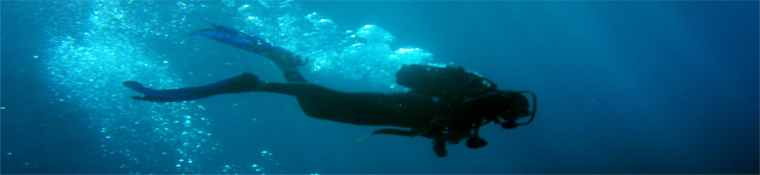
Scuba Diving On Grand Cayman
Author: Justin Burch
Resting atop a submarine mountain of coral, the island of Grand Cayman
offers some truly distinctive scuba diving opportunities. Off the shore,
the coral walls that descend sharply into the Caribbean create some incredibly
unique and challenging dives. Elsewhere around the island, there are plenty
of dives perfect for all ages and skill levels. Regardless of where you
dive in Grand Cayman, however, you are sure to encounter an unparalleled
variety of underwater life. It also helps that the warm waters off the coast
often boast visibility exceeding 100 feet - a fact sure to impress snorkelers,
as well as scuba divers. With over 250 unique dive sites in all, Grand Cayman
stands as one of the most diverse dive destinations in the Caribbean.
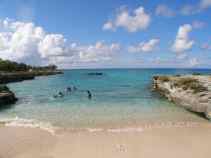 Many of the most popular dive sites on Grand Cayman are located off the
western shore in an area known as the West Wall. Many of this area's dive
sites are located just a short boat ride from the resorts lining Seven Mile
Beach. At sites such as Armchair Reef, Wildlife Reef and Aquarium Reef,
you will be able to spot numerous species of underwater creatures. Many
of these reef dives are suitable for novice divers and snorkelers as well.
Many of the most popular dive sites on Grand Cayman are located off the
western shore in an area known as the West Wall. Many of this area's dive
sites are located just a short boat ride from the resorts lining Seven Mile
Beach. At sites such as Armchair Reef, Wildlife Reef and Aquarium Reef,
you will be able to spot numerous species of underwater creatures. Many
of these reef dives are suitable for novice divers and snorkelers as well.
As Grand Cayman is known for its wall diving, you will definitely want to
explore the deeper water of the western shore. At the first steep drop-off
of 60 feet, you will find such sites as the Eagle's Nest and the Orange
Canyon - named for its population of colorful elephant ear sponges. Another
fun challenge is Bonnie's Arch, a unique site boasting a coral archway wide
enough to swim through. All in all, there are more than 50 distinct dive
sites located in the West Wall area of the island.
Though the North Wall is on the windward side of the island and features
incredibly steep coral walls, one of the world's most famous shallow dive
sites rests along the sandy beach. A good part of this popularity is owed
to the fact that Stingray City is a perfect site for divers and snorkelers
of all ages and skill levels. Once you are in the warm, clear water you
will be able swim with families of gentle Southern Stingrays. With wingspans
approaching four feet, many visitors find a great thrill in Stingray City
while feeding and photographing these majestic animals.
Along the North Wall, you can also spot a large population of tarpons at
Tarpon Alley. These large, strange fish are surprising friendly and will
swim close to you if you move slowly. Along the coral wall, experienced
divers can visit Eagle Ray Pass and the No Name Drop-Off for a glimpse of
sea turtles, exotic fish and dense coral reefs.
While many dive tours only visit the South Wall when weather is poor off
the western shore, there are plenty of pleasant dives for all skill levels
in the shallow southern waters. At sites such as Japanese Gardens and Oriental
Gardens, divers are promised an up-close view of colorful coral and sea
creatures in calm water perfect for photography. Slightly further from shore,
these "gardens" sink into an intricate maze of tunnels, arches
and underwater canyons.
Adventurous divers will want to visit the eastern shore of Grand Cayman.
Though there are only a few dive operators offering tours of this area,
you are unlikely to find more pristine coral reefs anywhere. Within the
first slope of reef, you will find a series of tunnels, underwater caves
and arches. Sites in this area such as Grouper Grotto and Babylon are always
teeming with fish, sponges and sea turtles.
Lastly, what would a Caribbean scuba diving trip be without a few wreck
dives? The Balboa, a 375-foot cargo ship that sunk during a storm in 1932,
sits at a modest depth of 30 feet in Georgetown Harbor. Today, the vessel
is home to an assortment of the Caribbean's most photogenic residents. The
most popular wreck dive in Grand Cayman is the Oro Verde, a coral-covered
freighter resting in 60 feet of water off the shore from Seven Mile Beach.
Additionally, Grand Cayman recently sank five vessels in various locations
for both the enjoyment of divers and the ongoing research of environmental
scientists.
There are over 40 experienced dive operators serving visitors to Grand Cayman,
so finding a knowledgeable guide is a breeze. Even if you have never experienced
scuba diving, you can become certified in Grand Cayman and then test your
skills at some of the Caribbean's best dive sites.
Come to Grand Cayman and you will see why the island is celebrated by divers
and snorkelers across the globe.
About the Author:
Justin Burch writes articles about travel in Grand Cayman [ http://marriott.com/hotels/travel/gcmgc-grand-cayman-marriott-beach-resort/
] for the Marriott Resorts.